
Speculating on polarisation trend towards government & technology after Covid-19
The project aims to question people's trust in government and technology after Covid-19 in China through a particular spectrum test while presenting speculative results through four design fiction stories.
Project info
5 months
Self-initiated project
Special thanks
Selah Li
Yitian Chu
Huanwen Jiao
Skills
Critical thinking
Storytelling
Research
“When choosing between alternatives, we should ask ourselves not only how to overcome the immediate threat, but also what kind of world we will inhabit once the storm passes. Yes, the storm will pass, humankind will still be alive - but we will inhabit a different world.”
- Yuval Noah Harari
Introducing the "Spectrum Portal"
The interaction of “Spectrum Portal” involves two parts:
1. A technology/government spectrum test that includes ten agree-disagree questions
2. Four test results (parallel worlds) in the form of design fiction video
Try this portal↓

Background
Today, technology makes it possible to monitor everyone all the time for the first time in human history. The Chinese government, especially, in the battle against the coronavirus pandemic, already deployed the new technology to track citizens' movement and request people to report their medical condition and body temperature.
Yet how do citizens genuinely think of these series of strong measures? Do they hold completely trust when handing over their privacy? Is every citizen comfortable by these technology-driven "solutions", or do they also feel more threatened by the all-pervasive surveillance and unknown power?
As Harari stated, "We should ask ourselves not only how to overcome the immediate threat, but also what kind of world we will inhabit once the storm passes." I am fascinated to imagine the possible "ideal world' in every individual's mind after coronavirus and under the current polarized climate.
Four parallel worlds
In my design fiction, belief in technology and government trust are the two infrastructure parameters to build up the "ideal" parallel world for the participants.
The Spectrum portal links to four different parallel worlds. Each has a first-person perspective narrative await the participant to explore. These include stories about surveillance dog robot, language chip, off-grid camp and parties filtered society.
(Click on the icon below to check the corresponding description.)
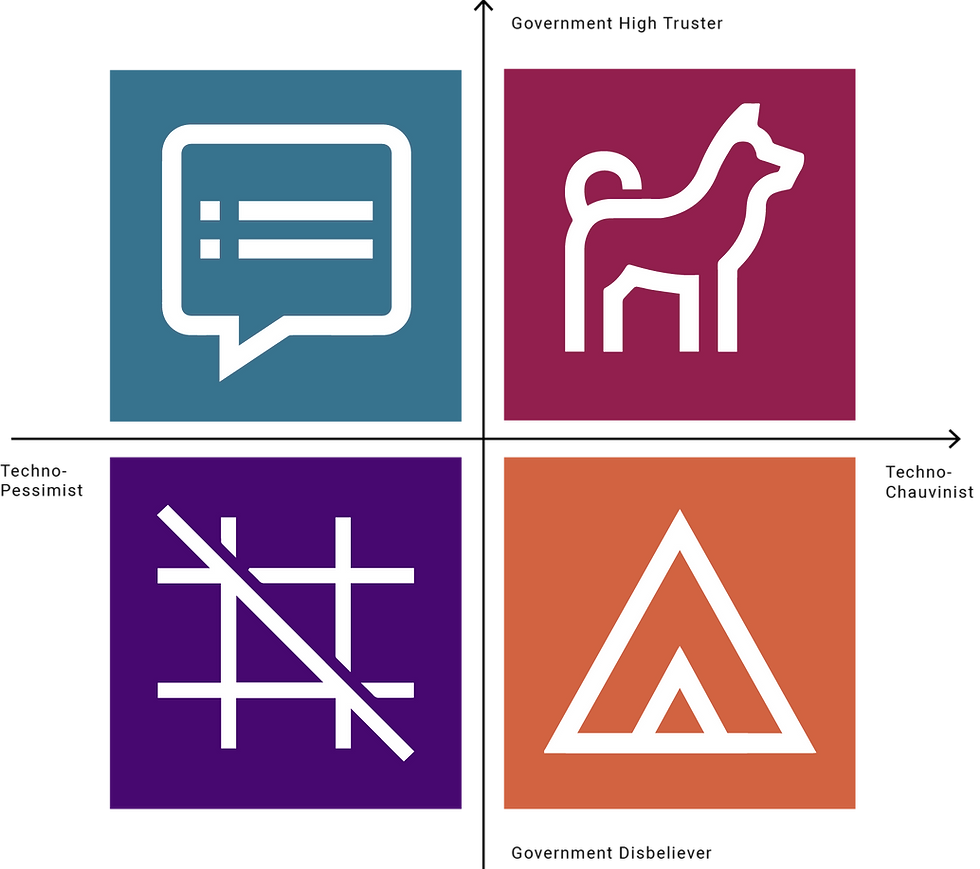
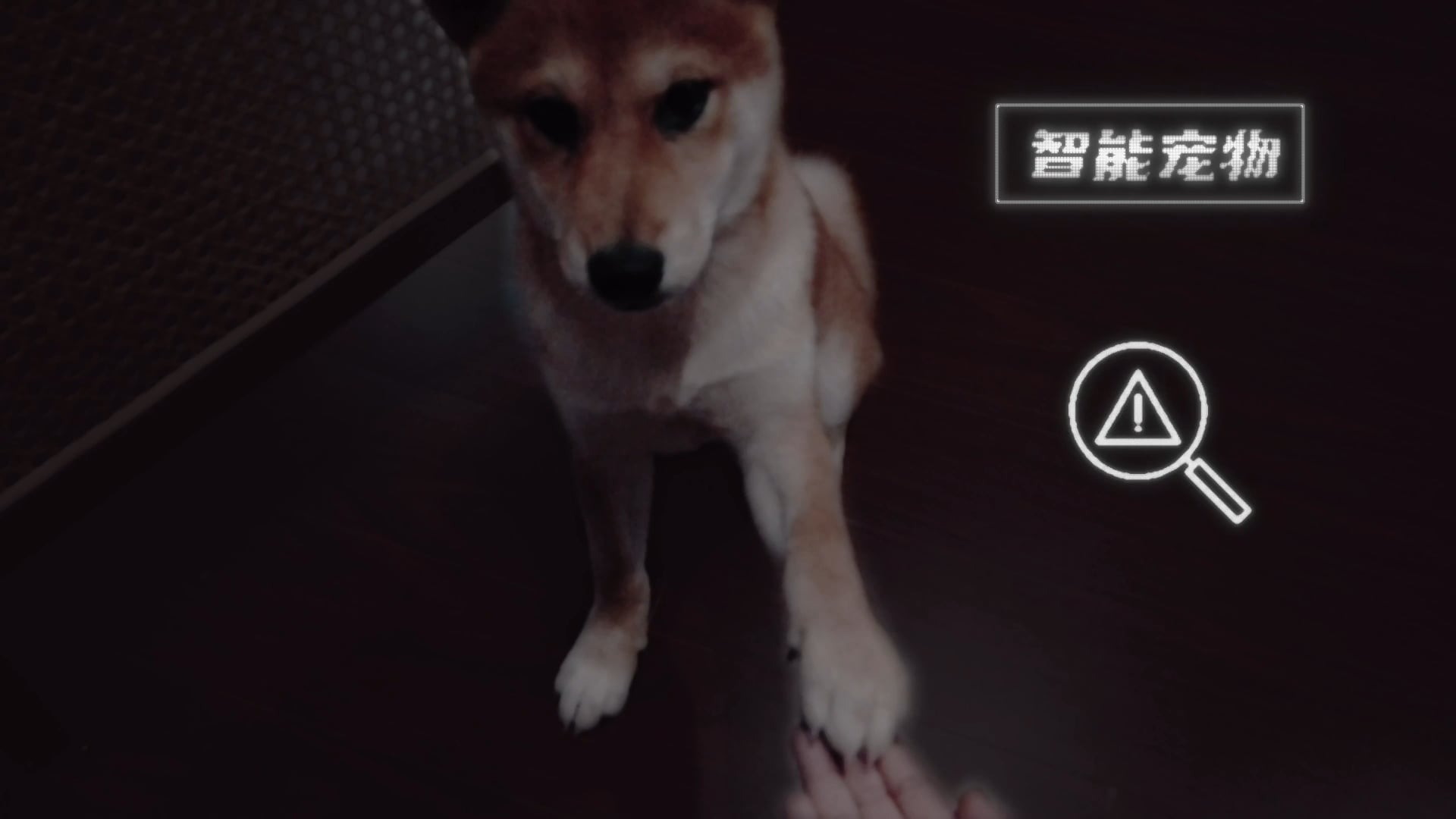
The first story, "Haku, the dog" takes place in a world where people are chosen to trust the government and have great optimistic faith in emerging technology. In this world, the government has citizens' support to push the boundary of surveillance. It sends an AI dog to each household to provide advanced security support and a more convenient life. However, does this AI dog "Haku" necessarily bring the household's expected security and convenience?

1. Voice recognition lock
Recognise the house owner's voice to open the door. Sync the lastest security regulation with AI dog.

2. AI dog - Haku
The 'loyal' companion in every household ensures security and provides services to make life more convenient.

3. Lastest security update
To block potentially dangerous individuals based on tracking and social media activities to prevent acquaintance crime.
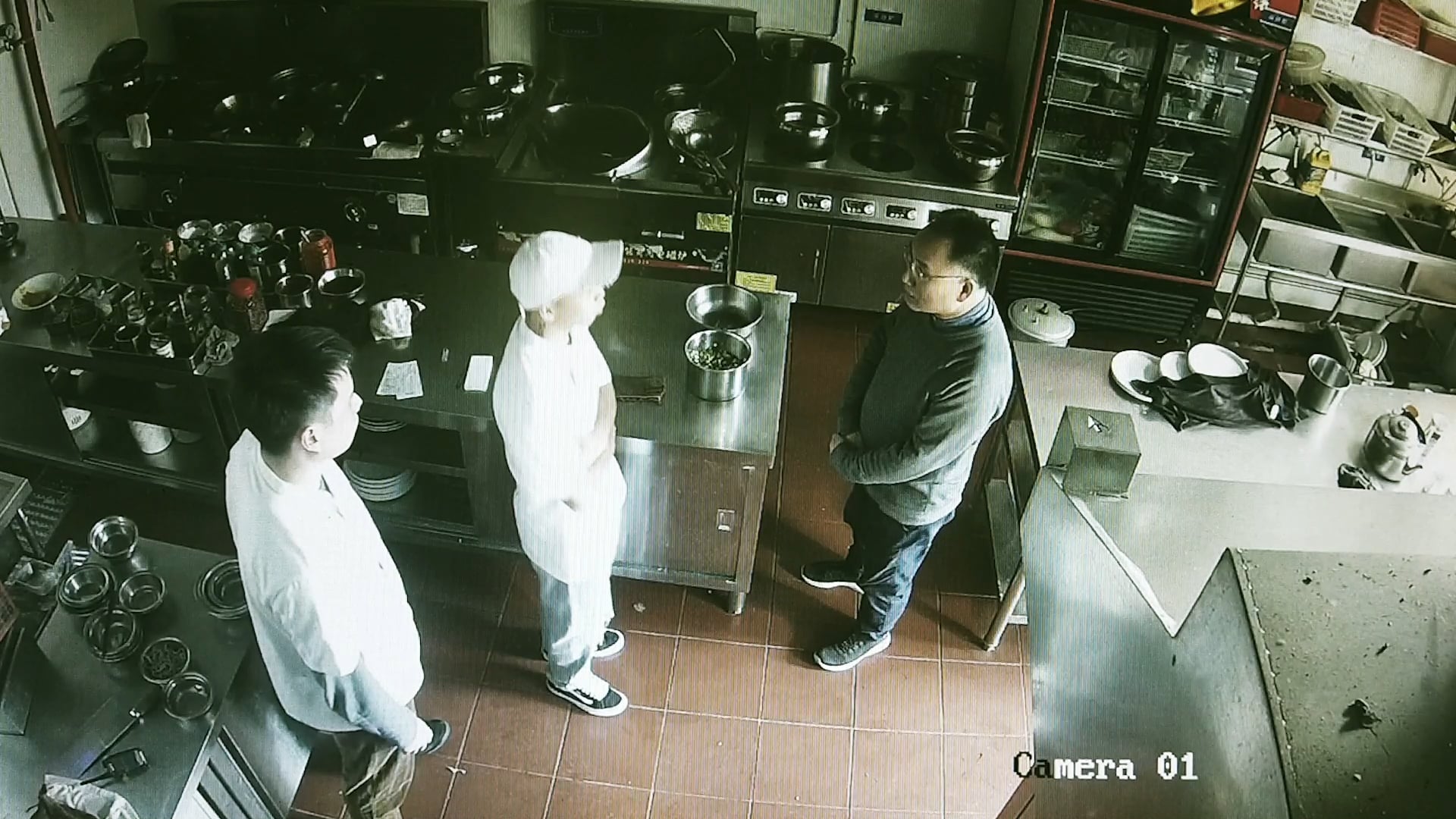
The second story, "Back Kitchen", happens in a nation where citizens highly trust the government but consider those advanced technologies as threats. In this reality, petitions were made to ban the language chip technology from being implanted in citizens, and the government quickly responded with legislation. So when a foreign chef with this implanted chip hired to work for a restaurant in this nation, how would a technical hitch on chef's chip impact this restaurant one day?

1. Language chip
Implanted at the back of the right ear, helps the person speak and understand a foreign language instantly.

2. Nation P
Banned the language chip implantation for its citizens thirty years ago due to citizen's petition. Locally has no technical support for the chip.

3. Translator in Nation P
All foreigners with the chip could speak Nation P's language, and local citizens have no motivation to learn other languages, therefore lacking the accessible local translator.
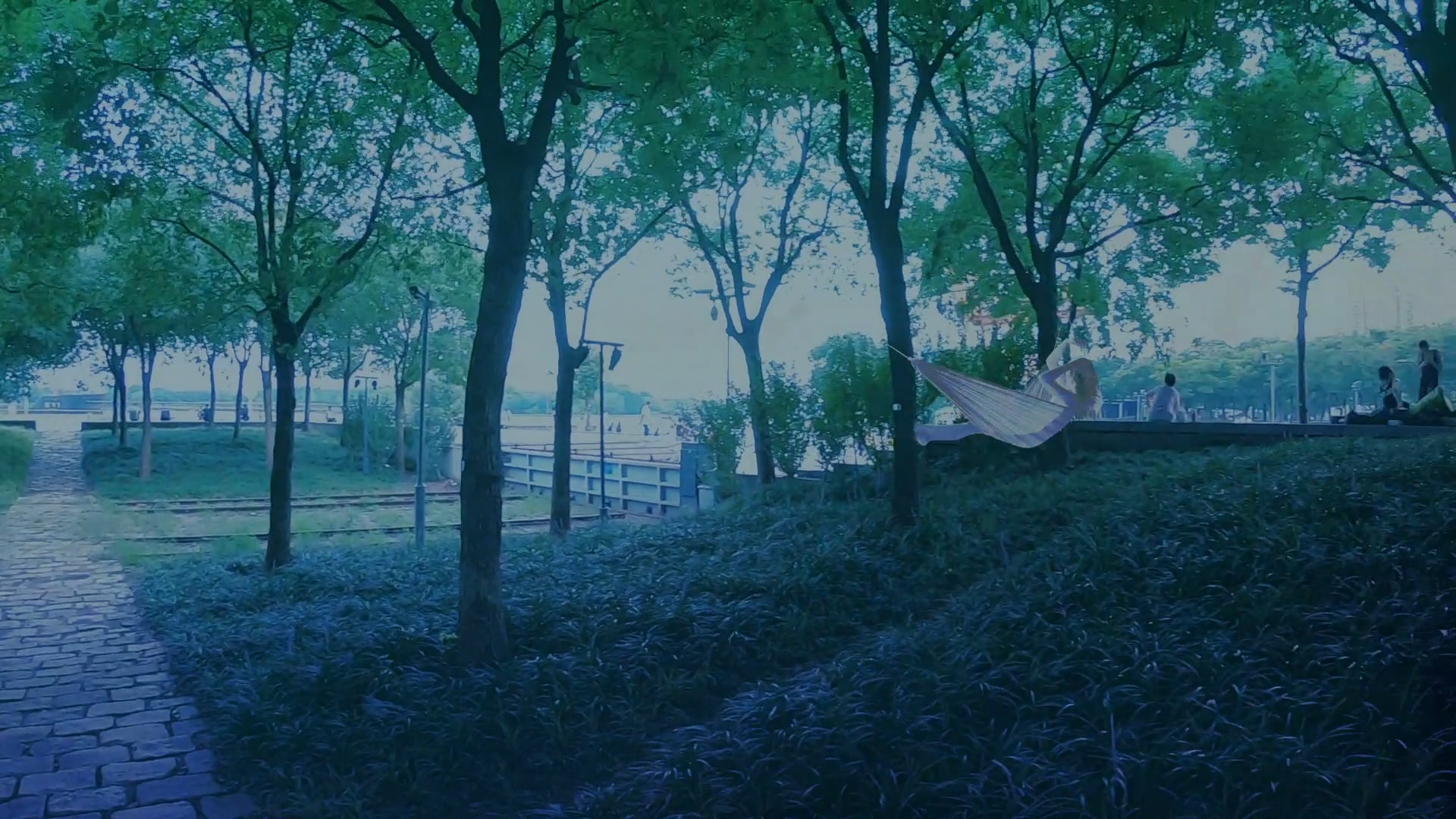
The third story, "A rainy day", illustrates a society similar to the off-the-grid lifestyle. People are splitting into different community zones where they have various rituals based on their spiritual beliefs. From a first-person perspective, we can take a sneak peek and see whether this world's operation pattern offered enough efficiency.
1. Solar panel
Residents are relying solely on the energy generated from their own household solar.
2. Community shop
Offers some basic living necessities for the community residents.
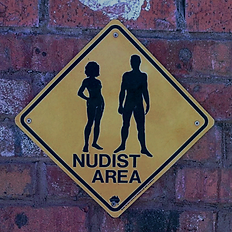
3. Yippi Community
The community residents strictly implement vegetarianism and naturism, and it is not welcomed to wear cloth in their district.
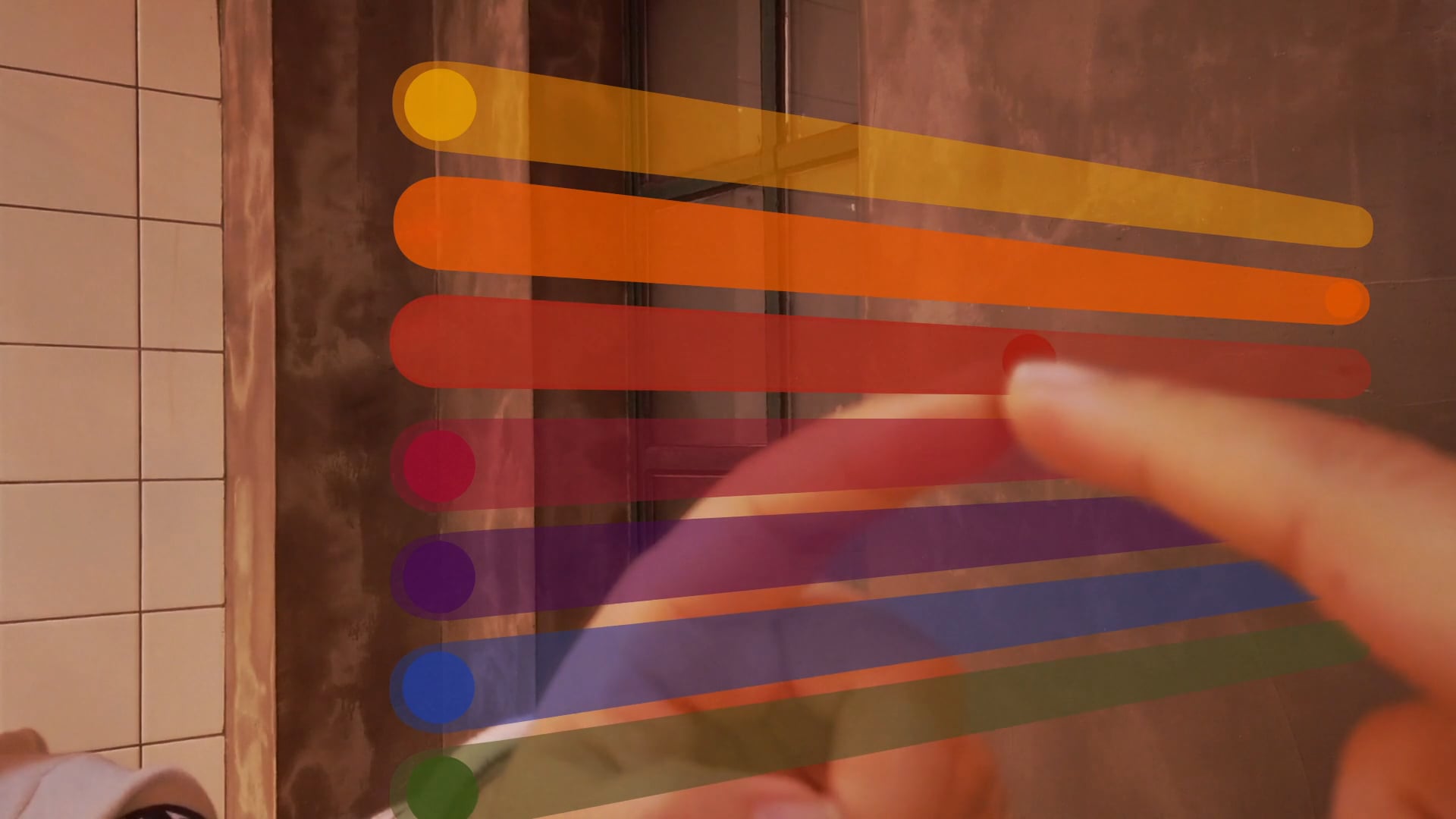
The final story, "Colour-coded world", depicted a place where political parties are severely fragmented. Residents from each party are "armed" with new technology commodities in their daily life to filter and block opposing parties' members voices and even appearances.
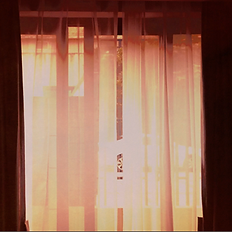
1. Lisa - AI assistant
As a smart housekeeper who provides the support that the house owner required.

2. Political view filter mirror
Scroll your preferred political party corresponding colour bar to the right; the TV will play the chosen political party's content and filter out the rest.

3. Smart sunglasses
The sunglasses will block certain parties' passersby according to wearer's preference.
Haku the dog
The Design Process
The curiosity of people's perception of health code was the first main trigger to start this project.
After researching news and articles about how Chinese people benefited from coronavirus's controllable situation thanks to the health code's implementation; meanwhile, there are still concerns and disturbing cases of using it.
I was still very intrigued to understand how people really think about this colour QR code. Thus I conducted interviews with 8 people with various backgrounds.
Interview


"I'm very cautious about my personal health information, I think it should be private most of the time."
- Miguel, Front end Engineer, 34
Columbia
"I'm not so worried about information leaking. New applications wouldn't have achieved if data privacy laws were too strong."
- Pavel, Instructor, 28, Lithuania
"I don't think keep developing health code is a good thing, rationally. I want these technologies to get some oversight."
- Kelvin, Student, 27, China

From the responses I collected, I found contrasting views about technology and the Chinese government's strong measures. Significantly, most interviewees stated that they began to grow sceptical about certain supervisory controls and concerned more about the future after the pandemic.
Thus, I developed a keen interest in recording this special period
of time how people's opinion has shifted and speculating what
the future would be like when people hold polarised beliefs.
Constructing the spectrum portal
Inspired by the "United Micro Kingdom" from Dunne & Raby, I planned to examine people's beliefs about technology and government by a series of agree/disagree questions then locating them into different parallel worlds. Therefore design the rules and core user flow of this interaction.

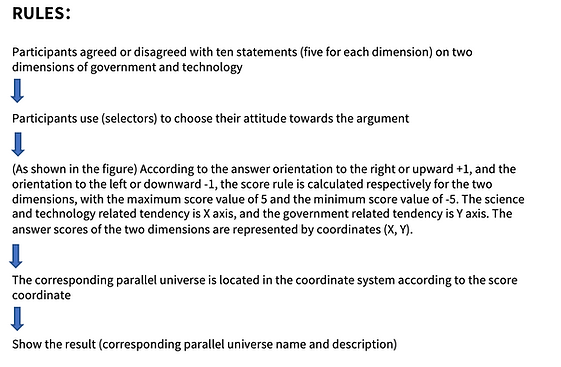
At first, I structured nine parallel worlds to indicate the diversity of the quiz result. However, I found it quite challenging to create nine results and differentiate the two worlds situated next to each other.
Evaluating the project time span and accessibility for me to construct nine results for the spectrum portal, I decided to reduce the test results to four.
After some research, I formulated the first demo of quiz questions. I did several testings with my friends, and they gave me some constructive feedback. Then, I made four times iterations to make the questions more concise and comprehensive.
I tried many survey creation platforms and selected Typeform at last because of its better support in the interactive experience. Advanced logic jump allows me to land the participate accurately to their corresponding results.

Creating the stories
Once I set up the rules and the main structure of the interaction, I carefully considered how to show the final results for the portal. Popular design fiction series like Black Mirror and Tales from the loop made me feel the power of film to communicate a possible future. I aimed to create four short films to illustrate my concept, utilizing the power of visual storytelling.
I realized that if the viewer empathizes with the main character and looks at the world from their perspective, the viewers have a great opportunity to immerse fully into the stories that created. Instead of filming the video in the third-person perspective,
I decided to use the first-person view to lead the viewers into the design fiction stories.
Meanwhile, I planned to set each of the stories as a specified period of time in one day and illustrates the society through this main character's eyes. The viewer can then reflect on the present better, which achieve the goal of speculative design.
